
Exploring the Sweet Past: A Comprehensive History of Desserts
Desserts, Those delectable delights that round off a meal with a burst of sweetness, have an enchanting history that spans millennia. This journey through time uncovers the fascinating evolution of desserts, tracing their origins from ancient civilizations to the modern culinary wonders we savor today.
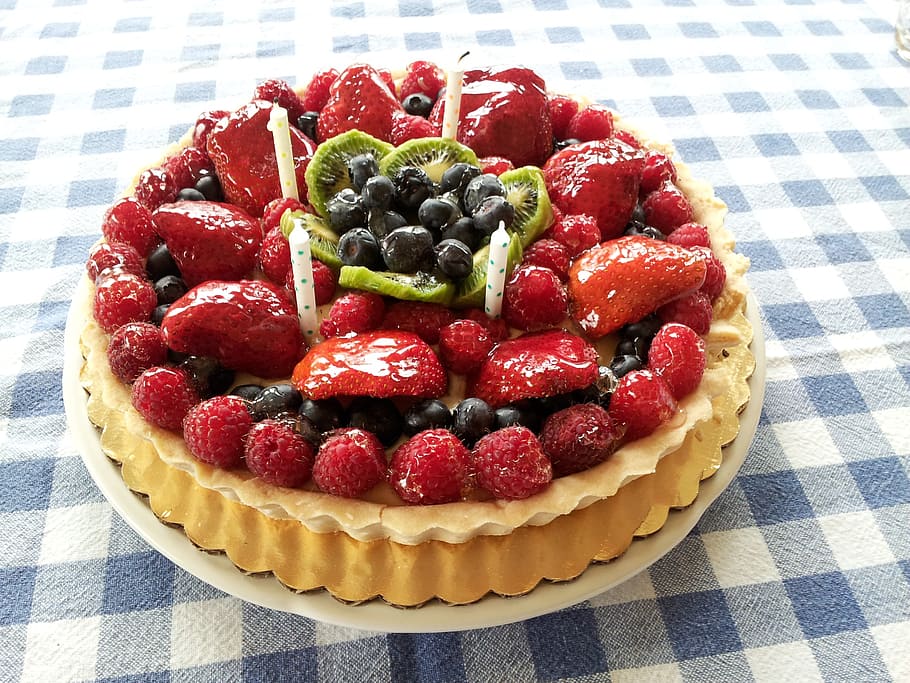
What is the Origin of a Dessert?
The term 'dessert' comes from the French word "desservir," which means "to clear the table" or "to remove what has been served". It was the concluding course of a dinner, usually comprising of sweet foods served after the other courses were cleared from the dining table. This phrase has expanded through time to describe a wide range of sweet delicacies savoured at the end of a meal.
History of Ancient Desserts: Sweet Beginnings
In the tapestry of time, ancient desserts emerge as the first brushstrokes of culinary creativity. From the honey-soaked confections offered to gods in ancient Egypt to the ingenious fruit-based treats enjoyed by Greeks and Romans, these early civilizations laid the foundation for our love affair with sweets.History of Greek Desserts: Mythical Flavors
The legacy of Greek desserts is woven into the fabric of myth and legend. Honey-kissed pastries like "baklava" and "diples" have been cherished for centuries, celebrating the harmonious blend of sweetness and artistry that the Greeks held dear.
History of Italian Desserts: A Taste of La Dolce Vita
Italy, the epicenter of culinary excellence, has bestowed upon us a treasure trove of delectable desserts. From the luxurious "tiramisu" that whispers of coffee-infused sophistication to the iconic "gelato" that tempts with its velvety smoothness, Italian sweets are a testament to the nation's unwavering dedication to culinary mastery.Medieval Marvels: Confections in the Middle Ages
As medieval times unfurled, desserts continued to evolve, propelled by global trade and exploration. With the advent of sugar, a luxury enjoyed by the privileged few, intricate confections and marzipan masterpieces graced tables as symbols of opulence and prestige.Renaissance Revival: Sugar's Sweet Triumph
The Renaissance ushered in an era of transformation, as sugar's ubiquity expanded. Emerging as a culinary superstar, sugar empowered chefs and bakers to create an array of tantalizing treats. Tarts, custards, and nascent cake variations emerged as the confections of choice, redefining the dessert landscape.Industrial Revolution and the Sweeter Revolution
The dawn of the Industrial Revolution marked a paradigm shift in history. Technological marvels enabled mass production, democratizing access to pastries, cookies, and candies. Bakeries and confectioneries flourished, as sweet pleasures became accessible to the masses.Global Fusion and Modern Marvels
In a world knit closer by globalization, desserts embraced new dimensions. The journey of chocolate from the Americas to Europe birthed a plethora of indulgences, while the amalgamation of diverse culinary traditions gave rise to exquisite creations like Indian gulab jamun, Italian tiramisu, and French macarons.Health-Conscious Horizons and Guilt-Free Gratification
Modern times have kindled a health-conscious spirit, reshaping the dessert landscape. A focus on well-being spurred the innovation of alternative sweeteners and healthier dessert choices. From fruit-forward delights to desserts crafted from alternative flours, these offerings cater to varied dietary needs.Culinary Artistry: Desserts as an Aesthetic Experience
In contemporary kitchens, dessert creation has transcended into an art form. Pastry chefs are crafting stunning sugar sculptures and visually captivating plated desserts that are both culinary masterpieces and Instagram-worthy sensations.Savoring the Sweet Symphony of Time
From honey-drenched antiquity to the intricate confections of medieval times, the journey of desserts has been a tantalizing one. The thread of innovation, woven through the Renaissance, Industrial Revolution, and modern globalization, has resulted in a vibrant tapestry of flavors. As we move forward, desserts continue to indulge our senses, capturing the essence of cultures, history, and the creativity of human palates.The Four Major Desserts Of Modern Era
When it comes to desserts, there are four major modern era desserts that cater to different taste preferences and occasions. These types include:
- Cakes and Pastries: Cakes are perhaps the most popular and versatile type of dessert. From fluffy sponge cakes to rich chocolate brownies, the world of cakes offers endless possibilities.
- Pastries, such as croissants and danishes also bring together flaky crusts and delectable fillings results in making them a delightful choice for breakfast or an afternoon treat.
- Pies and Tarts: Pies and tarts combine a buttery crust with a variety of fillings. Whether it's a classic apple pie or a tangy lemon tart, these desserts offer a perfect balance of textures and flavors.
- Ice Cream and Frozen Desserts: Perfect for those hot summer days or as a year-round treat, ice cream, and frozen desserts are loved by people of all ages. With a multitude of flavors and toppings to choose from, these frozen delights never fail to satisfy our cravings.
- Puddings and Custards: Puddings and custards are creamy and comforting desserts that bring warmth and nostalgia. From silky-smooth crème brûlée to the classic rice pudding, these desserts dare a delightful way to end a meal.
.jpg)
FAQs
Q. Are desserts unhealthy?
A. Desserts can be part of a balanced diet when enjoyed in moderation. While many desserts are high in sugars and fats, opting for healthier options like fruit-based treats or desserts made with alternative sweeteners can mitigate potential health concerns. It's essential to make mindful choices and consider portion sizes to enjoy desserts without compromising overall health.
Q. When did desserts become popular?
A. Desserts became popular in different parts of the world over many centuries. They started gaining popularity when people discovered ways to use sweet ingredients like honey, fruits, and sugar to make tasty treats after their main meals.
.png)
.jpg)
.png)
.png)
.png)
